Sustainability
By implementing sustainable practices wherever possible, we strive to reduce our carbon footprint, minimize waste, and conserve natural resources. These efforts not only benefit the environment but also contribute to improved efficiency. Embracing sustainability in manufacturing is not just a trend — it's an approach we are proud to have taken for many years that aligns with our own values as well as those of our customers.
Materials & Manufacturing
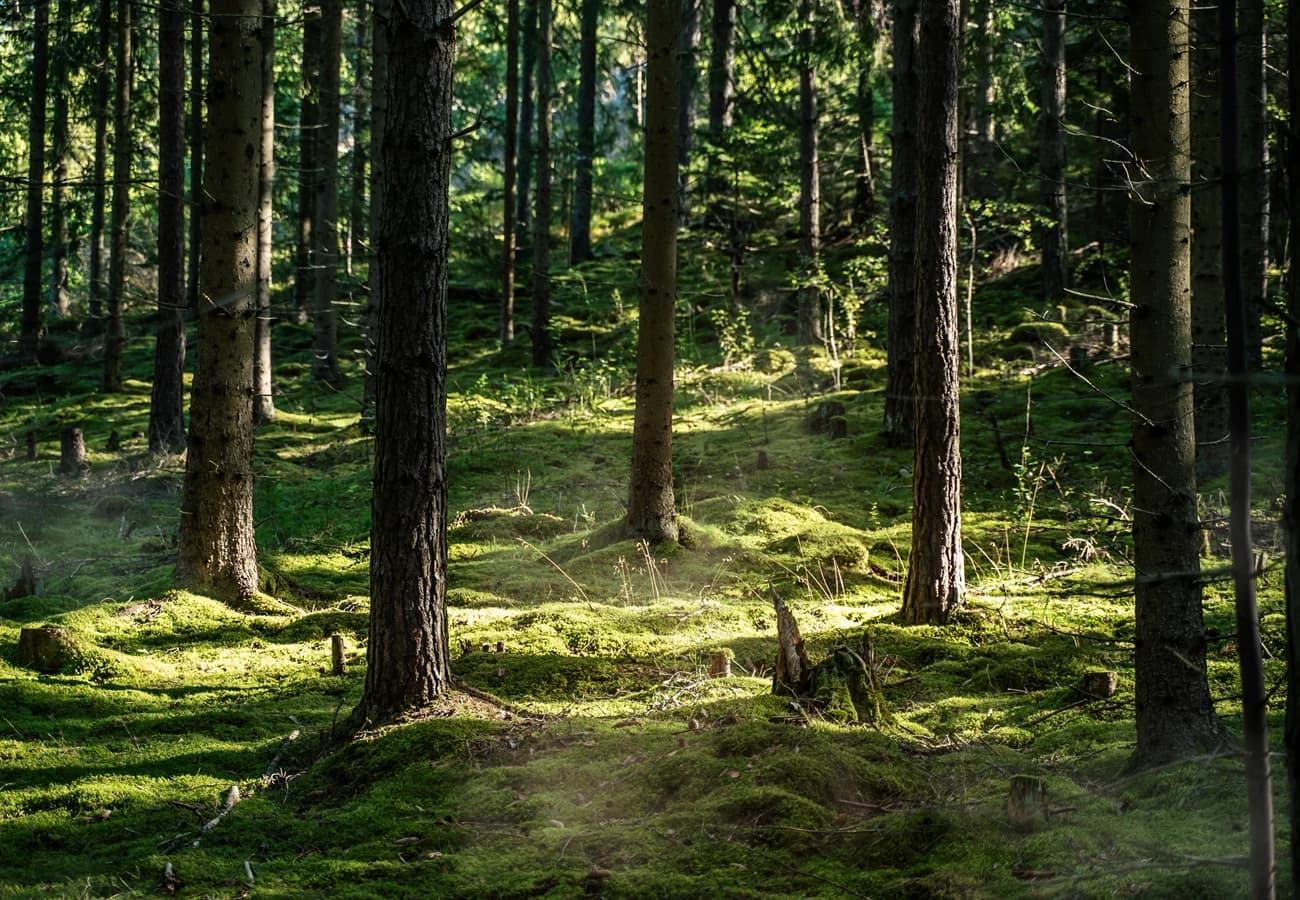
Wood sourced from a fully curated forest
The wood that makes up every Santoro 3D card product is sourced from an 'active forest'. Whenever one of the trees which makes up our cards is felled and processed, it is replaced with three new seedlings, maintaining a fully curated forest. By actively managing the forests from which wood is extracted, the impact of raw product harvesting is minimised.
High-quality paperboard, responsibly made
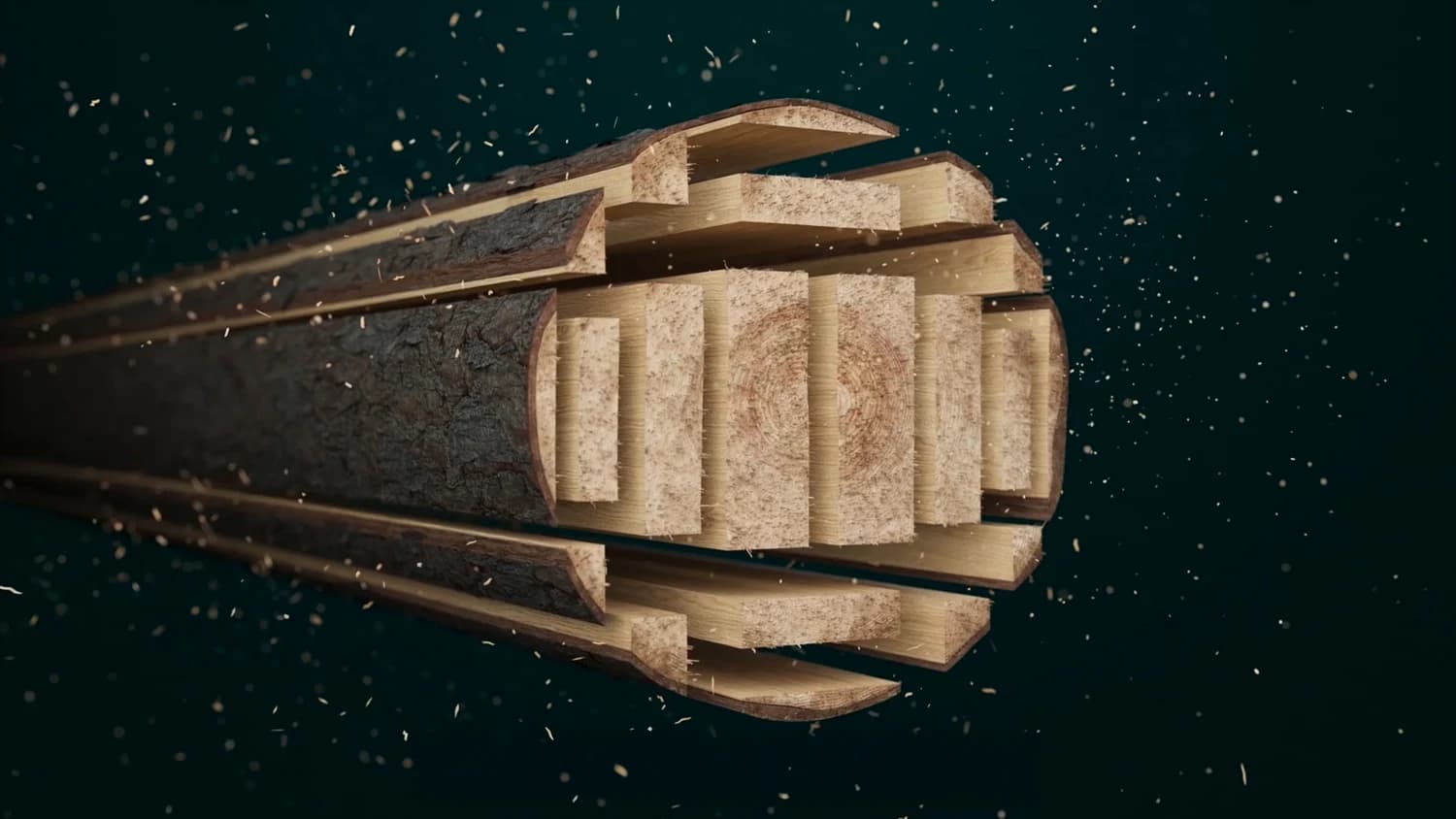
In order to produce the high-quality paperboard used in all of our 3D cards, raw material (wood) must be dissolved in vats to free cellulose fibres which are then carefully rinsed, bleached and moulded into a final product.
Zero waste energy — powering the mill itself
However, only 50% of the wood is comprised of cellulose. The other half is mainly binding agents such as lignin. After the dissolving process, the lignin that remains in the solution is burned to produce thermal and electric bioenergy which is fed back into the mill itself, powering its operation and reducing the need for fossil fuels.
Conservation Initiatives
Protecting an ancient landscape
In the picturesque Puglia region of Italy, where the Santoro Family's ancestral heritage lies, a devastating plant pathogen known as Xylella Fastidiosahas wreaked havoc in recent years. Its insidious presence has led to widespread die-offs of the region's beloved olive trees, a cornerstone of the local economy and culture.
The outbreak has not only devastated landscapes but also sparked profound concern among agriculturalists and environmentalists alike. Urgent efforts are underway to contain the spread of the disease and to find innovative solutions to protect the region's valuable trees from further harm.
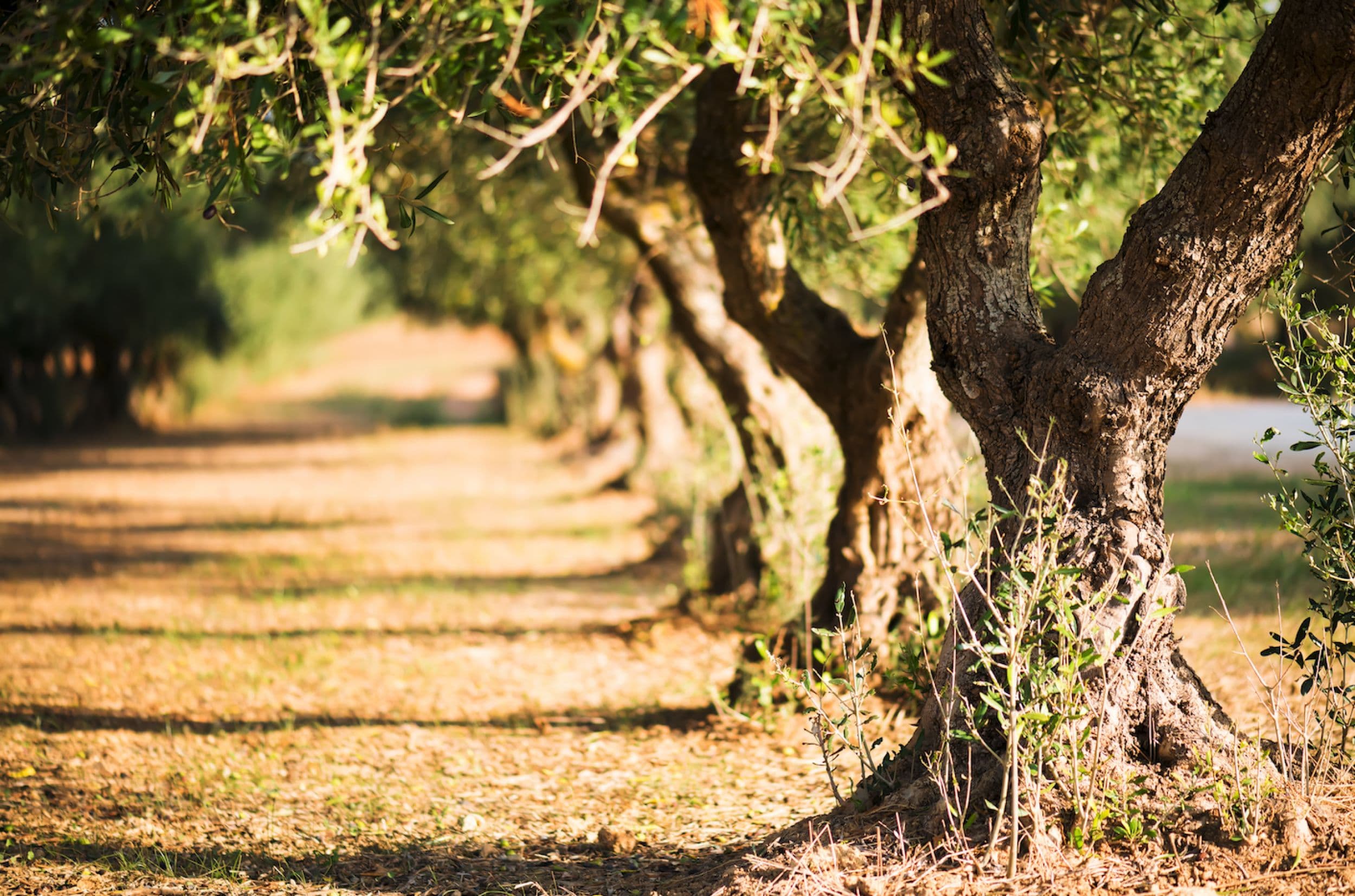
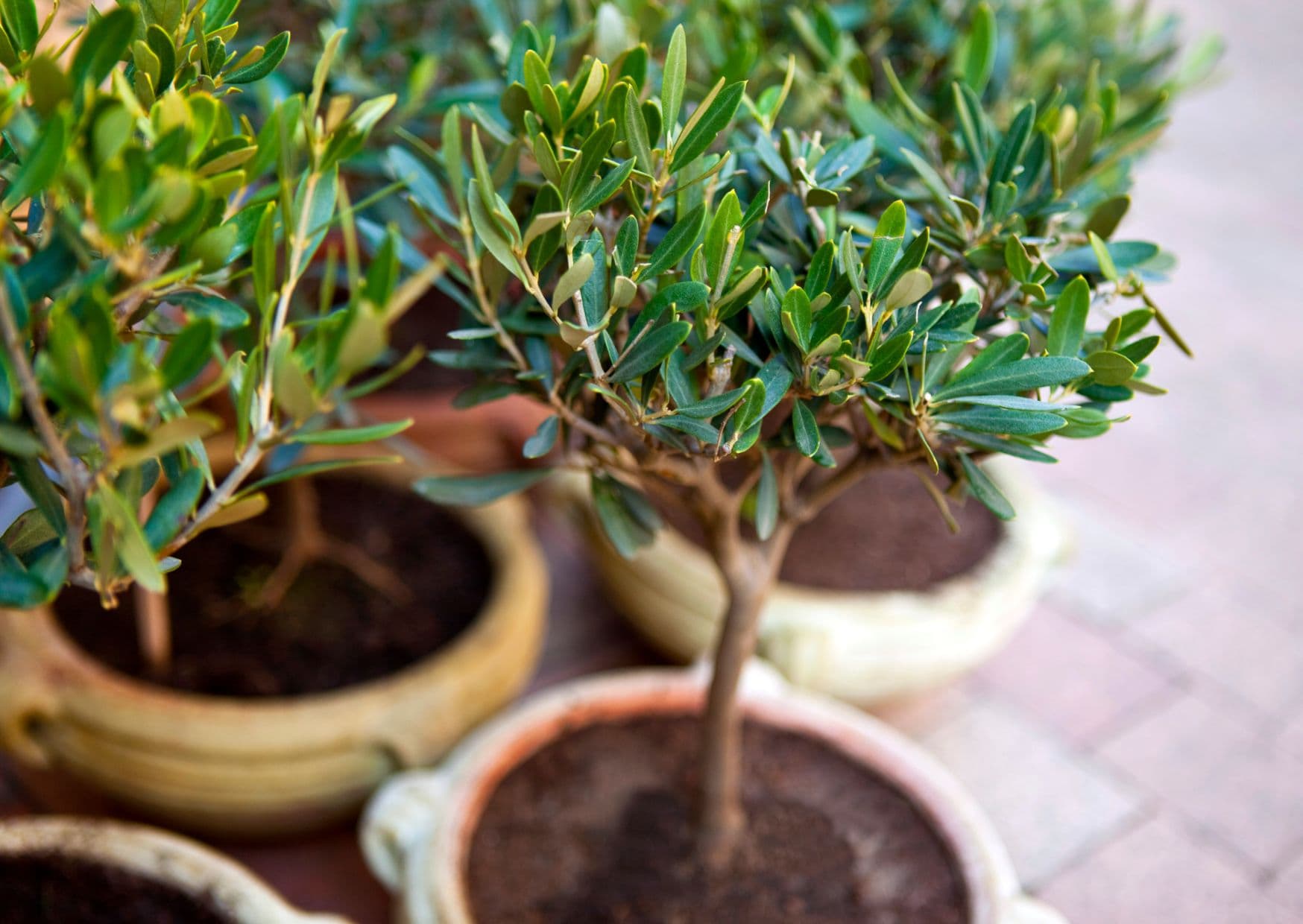
1,200 olive trees planted in 2024–5
Despite these challenges, the Santoro Family remains steadfast in their commitment to the region's environmental health. As proud partners in a forward-thinking initiative, the company has partnered in the investment of planting over 1,200 olive trees in 2024–5, as part of an ambitious environmental rehabilitation program.
Their dedication reflects a deep-rooted belief in sustainable practices and a commitment to preserving the natural beauty and heritage of Puglia for generations to come.